
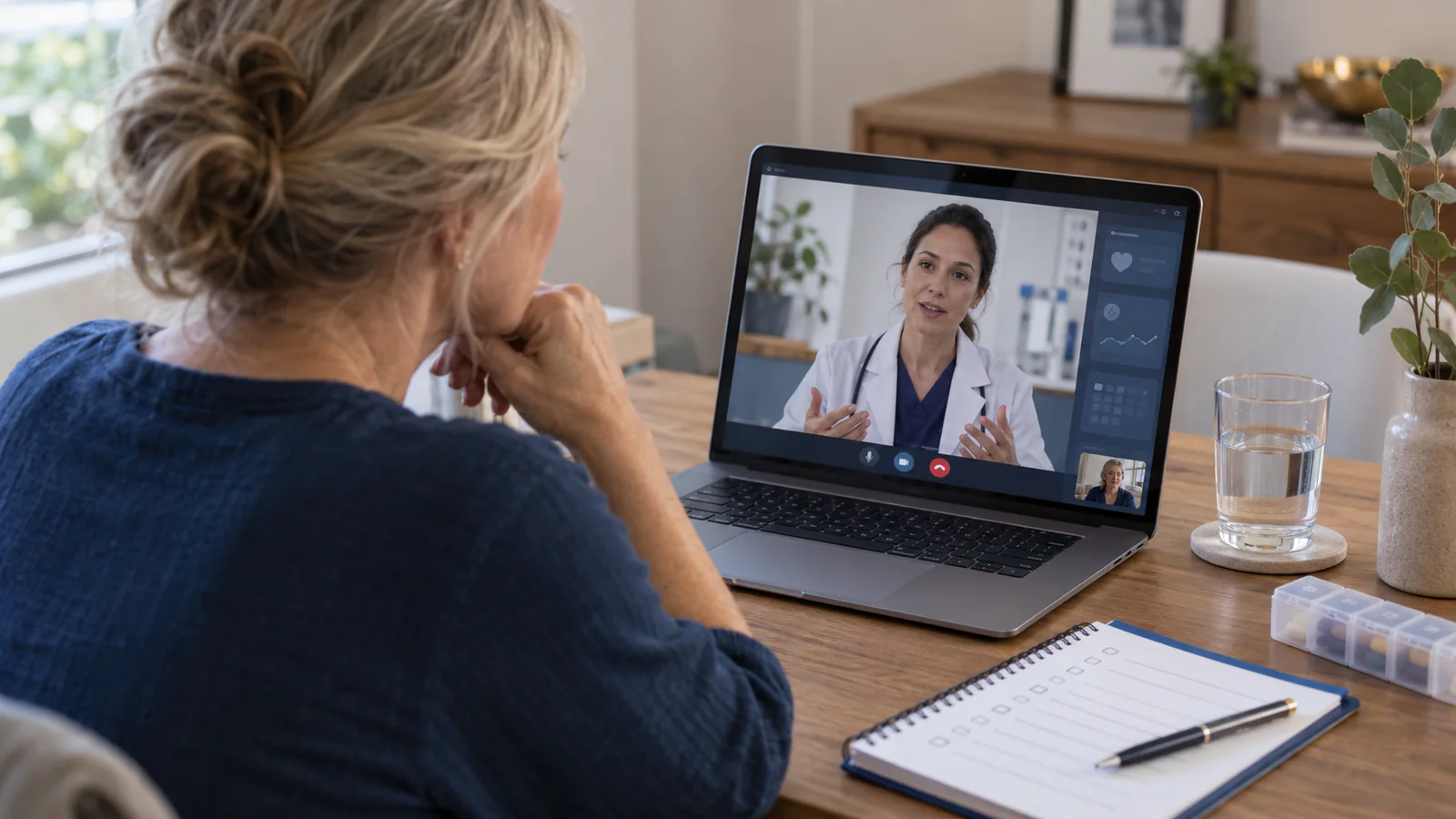
Communication after surgery should be planned before the operation. If you are travelling for plastic surgery, you need to know who answers questions, how updates are shared and when online communication is not enough.
Why this matters
When surgery and travel are combined, practical details can affect comfort, follow-up and decision quality. Preparing these details early reduces confusion and helps you ask better questions.
Know the contact person
Ask who replies after surgery: the surgeon, clinic coordinator, nurse, assistant or another contact. The role should be clear.
Clarify communication channels
Ask whether communication happens by phone, email, patient portal or messaging app. Sensitive photos or medical information should not be sent through unclear channels.
Ask how updates are reviewed
If the provider asks for photos or updates, clarify who reviews them and what response time is realistic.
Prepare for language needs
If you prefer English, French, Arabic or another language, ask how communication will be handled after return.
Know urgent limits
Ask which symptoms require local urgent care instead of waiting for an online reply.
Keep written instructions
Written instructions reduce confusion when emotions, discomfort or travel fatigue make details harder to remember.
Checklist
- Who replies after surgery?
- Which channel is used?
- Who reviews updates?
- What response time is realistic?
- Which symptoms are urgent?
- What language is available?
- What written instructions do I keep?
Final thought
Good communication does not remove medical risk, but it makes the follow-up pathway clearer. Plan it before surgery, not during a stressful moment.