Safety is not a separate detail in plastic surgery. It is part of the decision from the beginning.
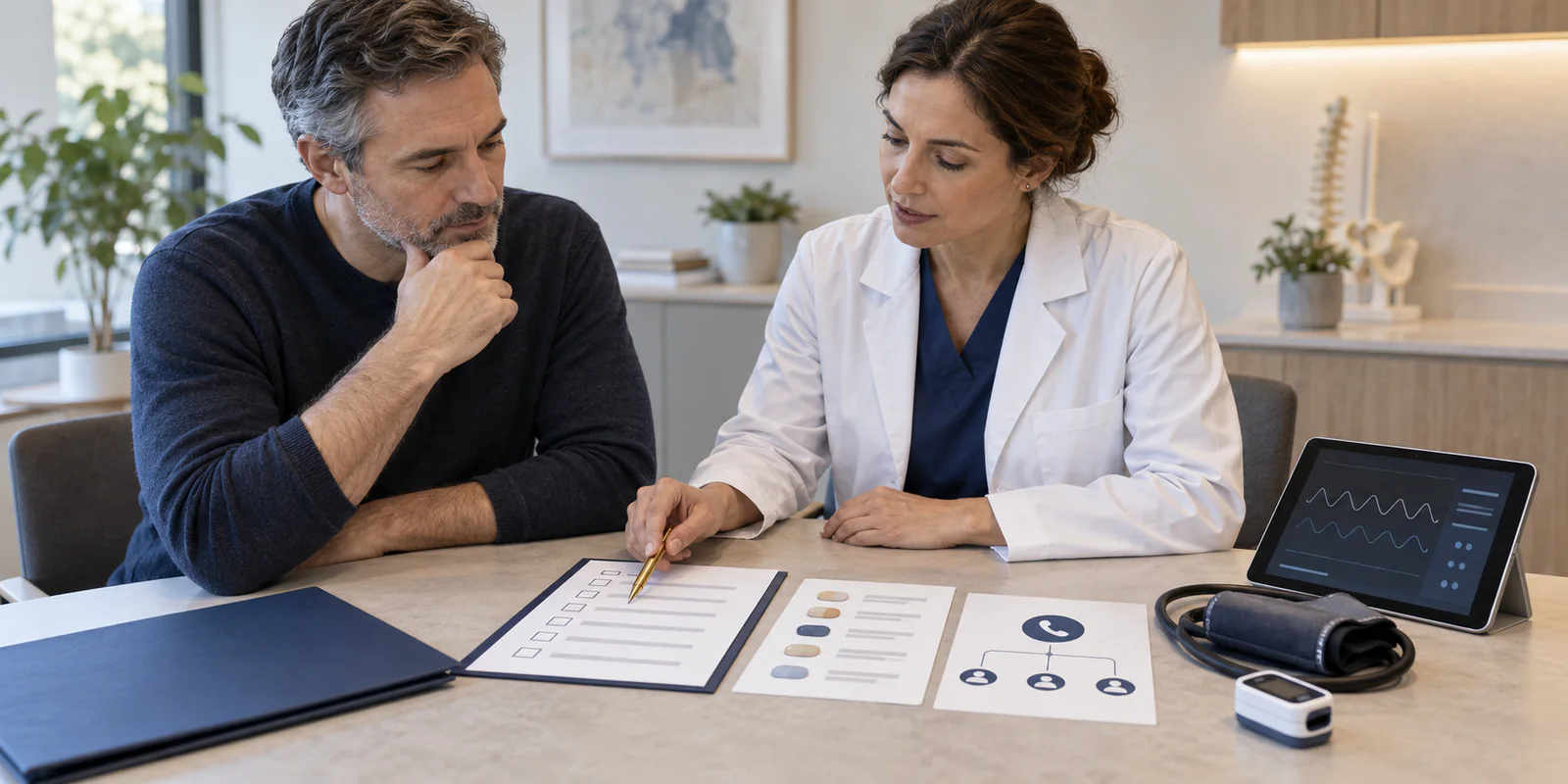
When researching plastic surgery in Tunisia, many people compare prices, photos and travel arrangements first. Curaatlas encourages a different order: understand the procedure, verify the professionals and setting, ask about anesthesia and follow-up, then compare offers with more context.
What safety means here
Curaatlas does not tell you that a procedure, clinic, surgeon or country is automatically safe. Safety depends on many factors, including the procedure, patient health, professional qualifications, clinic environment, anesthesia, follow-up and how complications are handled.
Surgeon questions
Before deciding, ask who will perform the operation and what their relevant experience is for the procedure you are considering. Clarify training, specialty relevance, who performs the consultation, who performs the operation, how risks are explained and whether written instructions are provided. Do not rely only on social media presence, edited photos or promotional claims.
Clinic and operating setting
Ask where the procedure will take place and what type of medical environment is used. Clarify whether the procedure is performed in a clinic, hospital or other setting, what anesthesia arrangements are used, who is responsible for post-operative checks, how complications are handled and what documents you receive after surgery.
Anesthesia and assessment
Many procedures involve anesthesia. Curaatlas does not provide anesthesia advice. It encourages readers to ask who evaluates anesthesia risk, what tests may be required, what medical history should be shared and what instructions must be followed before and after the procedure.
Reviews, photos and red flags
Reviews and before-after photos can be useful, but they are incomplete signals. Be cautious with pressure to pay quickly, unclear provider identity, vague all-inclusive language, guaranteed-result promises, price-only selling, requests for sensitive documents through insecure channels or no clear follow-up plan.
After returning home
Safety continues after travel. Ask how follow-up is handled if you return to another country, who to contact with concerns, what documents to keep and when to seek local medical care.
Continue with practical checks
Turn safety principles into questions
Understanding risks and complications in plastic surgery
Risk discussion is not meant to scare you. It is meant to make the decision more honest. Plastic surgery is still medical care, even when the goal is aesthetic.
Open the guideAnesthesia questions before plastic surgery
Many plastic surgery procedures involve anesthesia or sedation. Curaatlas does not provide anesthesia advice, but it can help you prepare the questions that should be answered by qualified professionals.
Open the guideInformed consent and written instructions before surgery
Consent should not be a rushed signature. Before plastic surgery, especially abroad, you should understand what is planned, what the limits are, what risks are discussed and what instructions you must follow.
Open the guideRed flags before booking plastic surgery abroad
A red flag does not always prove that an offer is unsafe. But it should slow the decision. When plastic surgery and travel are combined, unclear details can become serious problems later.
Open the guideVerifying surgeon qualifications before surgery
Verifying qualifications is not about being difficult. It is a normal part of preparing for a medical procedure, especially when the surgery is planned abroad.
Open the guideVerifying a clinic before surgery
This guide helps you think through verifying a clinic before surgery before plastic surgery in Tunisia. It is not a checklist for choosing automatically. It is a preparation tool so you can ask clearer questions and avoid relying only on marketing messages.
Open the guide