Procedures
Plastic surgery procedures in Tunisia

Start here
This procedures hub helps you explore the main plastic surgery topics covered by Curaatlas. Each procedure page is designed as a starting point, not as a personal recommendation.
The goal is to help you understand what the procedure is generally intended to address, what may need to be discussed in consultation, what can influence a quote and which safety or travel questions should be prepared before deciding.
01
Procedures
Blepharoplasty in Tunisia is a topic many people research when comparing plastic surgery abroad. The procedure name may be familiar, but the real decision depends on the individual case, the surgeon’s assessment, the clinical setting, the quote and the follow up plan.
For implant-based breast augmentation in Tunisia, Curaatlas's 2026 market review found a typical publicly advertised range of €2,250–€2,600, based on 17 comparable offers across 12 providers. The broader observed range was €1,600–€3,200.[1] That number is only useful if you know which implant is included. Round and anatomical implants were advertised at different prices, and a quote that says only “breast augmentation” may not tell you the brand, model, surface, fill, profile, size or warranty. Those details matter medically and financially.
Breast lift in Tunisia is a topic many people research when comparing plastic surgery abroad. The procedure name may be familiar, but the real decision depends on the individual case, the surgeon’s assessment, the clinical setting, the quote and the follow up plan.
Breast reduction in Tunisia is a topic many people research when comparing plastic surgery abroad. The procedure name may be familiar, but the real decision depends on the individual case, the surgeon’s assessment, the clinical setting, the quote and the follow up plan.
For hair-transplant packages in Tunisia, Curaatlas's 2026 market review found a typical publicly advertised range of €1,950–€2,700, based on 14 comparable offers across 7 providers. The broader observed range was €1,500–€3,150, with a median of €2,250.[1] The family-level range is more reliable than the individual graft brackets. In Curaatlas's dataset, most graft-count tiers were represented by only one or two providers, so they are low-confidence market observations, not a reliable universal “price per graft.”
For conventional liposuction packages in Tunisia, Curaatlas's 2026 market review found a typical publicly advertised range of €1,650–€2,100, based on 29 comparable offers across 12 providers. The broader observed range was €1,390–€3,000.[1] That headline range needs context. “One zone,” “three zones,” “complete liposuction,” “360,” “HD,” and “VASER” are not standardized labels across providers. Two packages with similar names can cover different areas, techniques, clinic stays and aftercare. Compare the exact treated areas and package scope, not only the headline price.
For primary rhinoplasty in Tunisia, Curaatlas's 2026 market review found a typical publicly advertised range of €2,000–€2,200, based on 12 providers. The broader observed range was €1,300–€2,500. Revision rhinoplasty and septorhinoplasty were usually advertised higher and should not be compared with a primary cosmetic rhinoplasty as if they were the same procedure.[1] The public price is only the starting point. A useful decision also requires clarity on what is being changed, whether breathing problems are part of the plan, who will perform the surgery, what the package includes, how follow-up works in Tunisia and after you return home, and what the surgeon considers realistic for your anatomy.
For a standard abdominoplasty in Tunisia, Curaatlas's 2026 market review found a typical publicly advertised range of €2,200–€2,600, based on 11 providers. The broader observed range was €1,890–€3,200.[1] A mini/partial tummy tuck, a standard/full abdominoplasty and an abdominoplasty combined with liposuction are not the same operation. The quote should make the surgical scope clear before you compare prices.






02
Browse by area
Body contouring procedures are often researched through before/after photos and price comparisons. Curaatlas approaches them differently: by helping you separate goals, limits, quote factors, recovery logistics and follow up questions.
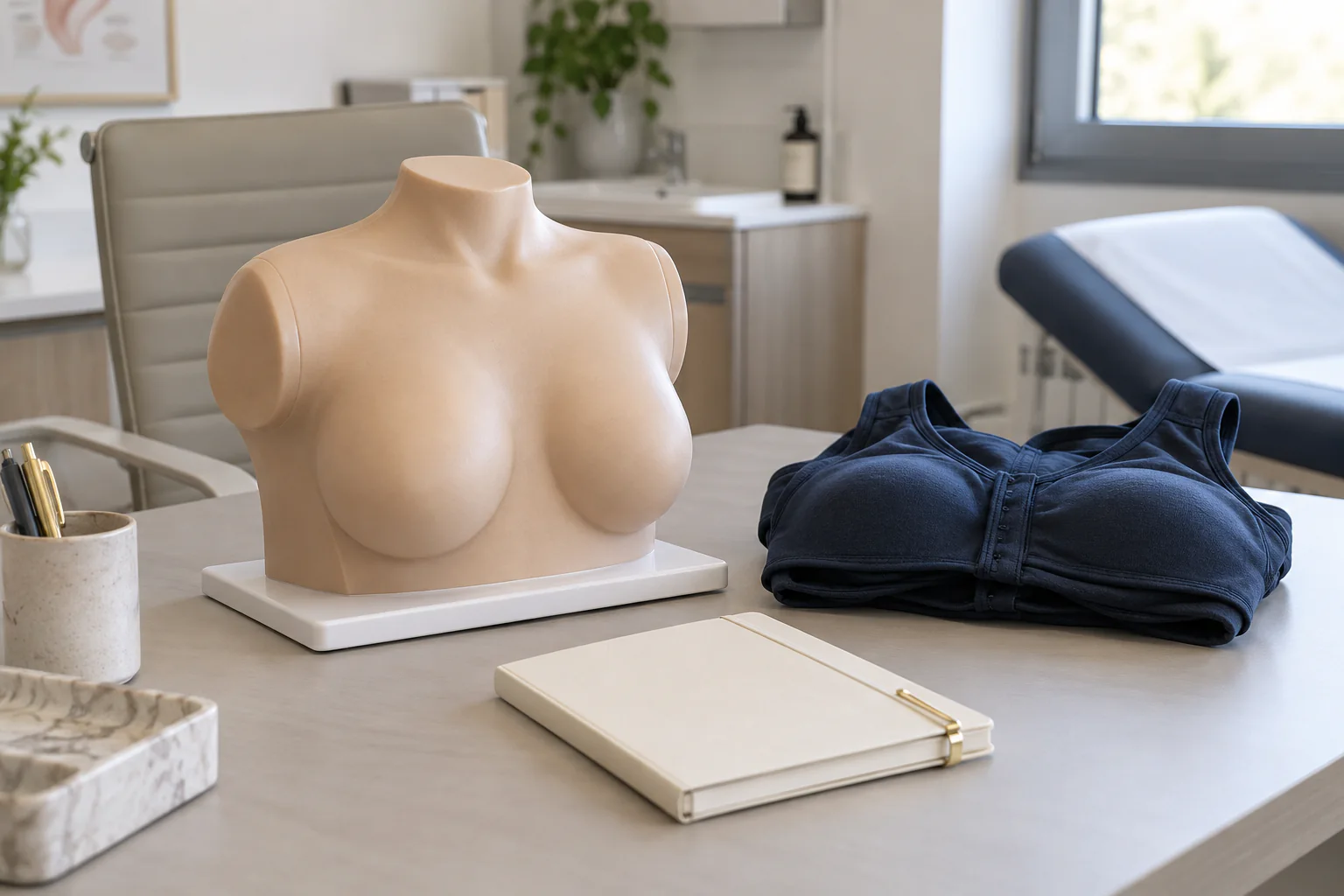
Breast procedures can involve questions about volume, position, shape, comfort, scars, implants, recovery and follow up. The right starting point is to describe the concern clearly before comparing procedure names.
Face procedures often involve highly personal expectations because small changes can affect expression, proportion and confidence. This category helps you explore face related procedure pages without turning the decision into a quick visual comparison.
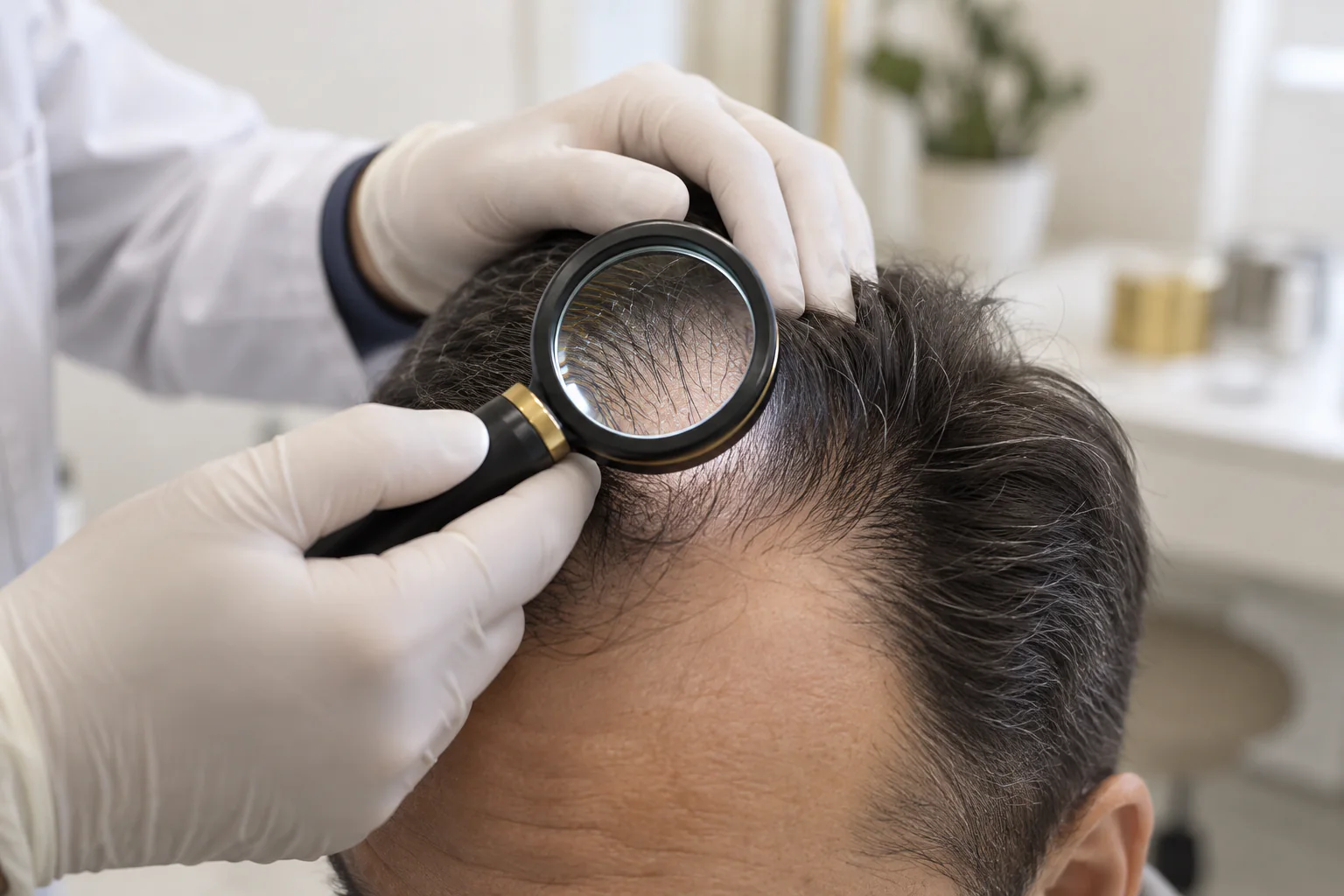
Hair transplant research is often filled with technique names, graft numbers, package offers and dramatic photos. Curaatlas keeps the focus on donor area limits, realistic density, technique explanation, quote clarity and follow up.
How to use this directory
How to use this hub
Start by choosing the procedure closest to your concern. Then read the related price, safety and guide pages before contacting a provider or comparing offers. A procedure name can sound simple, but the real plan may vary depending on anatomy, goals, medical history, previous surgeries, expectations, clinic setting and the surgeon’s assessment.
Use these pages to prepare questions, not to self-diagnose.
Main procedures
Rhinoplasty may be researched by people considering changes to the shape, proportion or function-related appearance of the nose. Liposuction is a body-contouring procedure, not a weight-loss shortcut. A tummy tuck is often discussed when excess skin and abdominal contour are central concerns.
Breast augmentation may involve discussion of volume, implant-related choices, proportions, scars and follow-up. Breast reduction is generally discussed when reducing breast volume and reshaping are part of the goal. A breast lift may be considered when breast position, shape and sagging are the main concerns.
Blepharoplasty concerns the eyelids and may require particular attention to eye history and expectations. Hair transplant planning should consider donor-area limits, density expectations, technique, possible sessions and long-term planning.
Before choosing a procedure
Before focusing on a clinic or quote, clarify the problem you want to address, the result you expect, the limits you understand, the risks to discuss, the documents to request, the follow-up plan and what happens after you return home.
Related guidance
After reading a procedure page, continue with the prices hub, safety section, travel and recovery section, and decision guides. These pages connect the procedure itself to the practical decision around it.